Under Construction
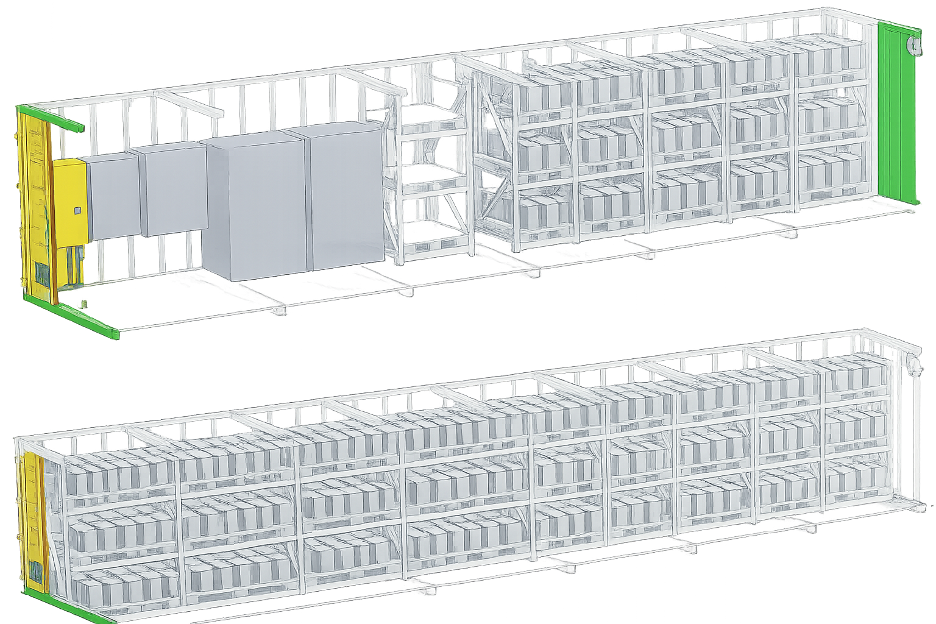
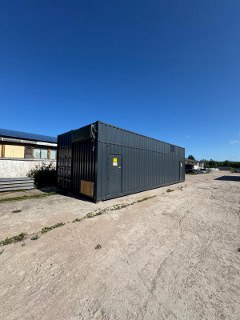
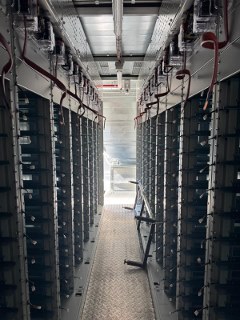
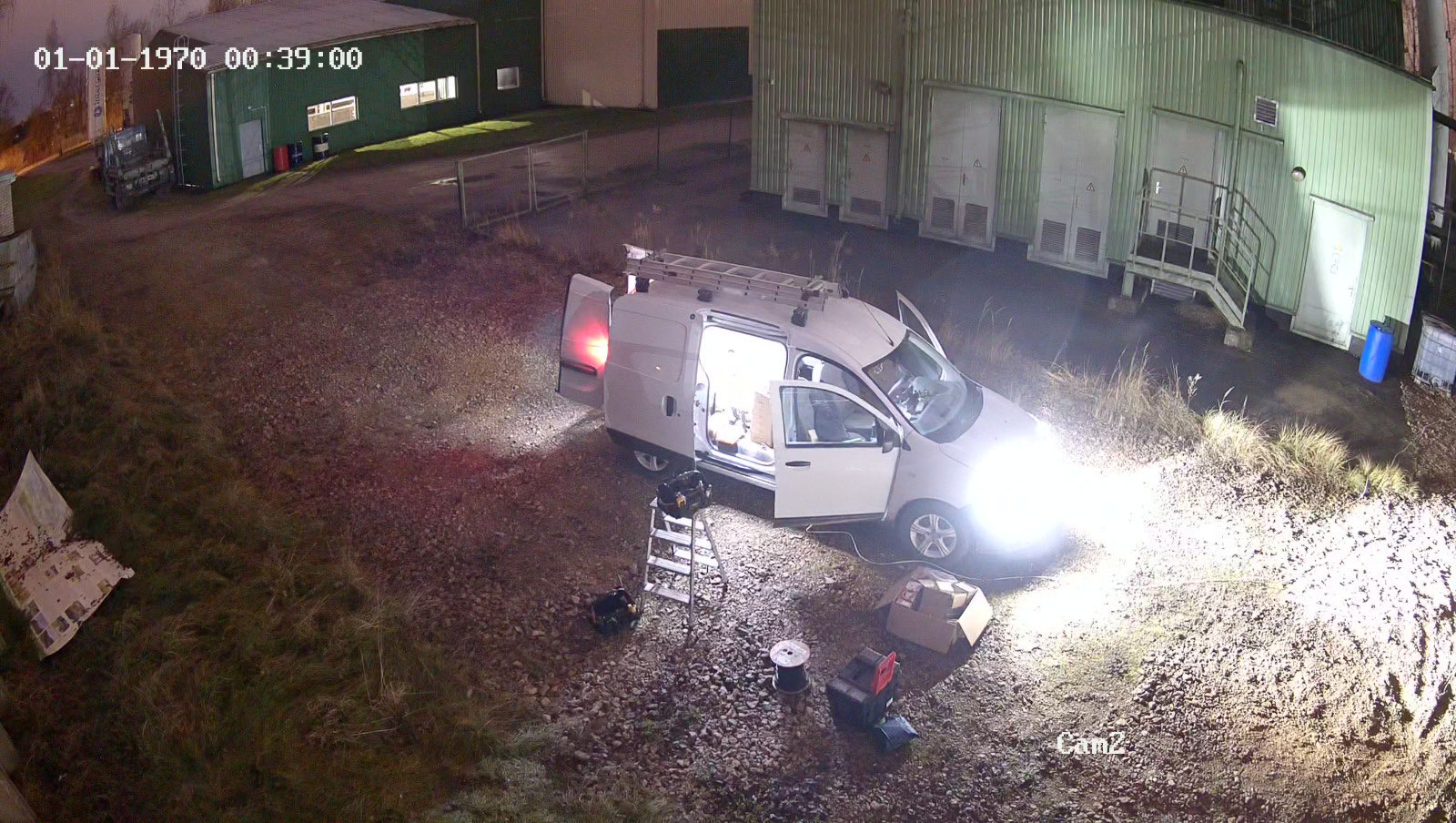
The BESS in Bauska is under construction.
This is what it looks like.
Technology Comparison
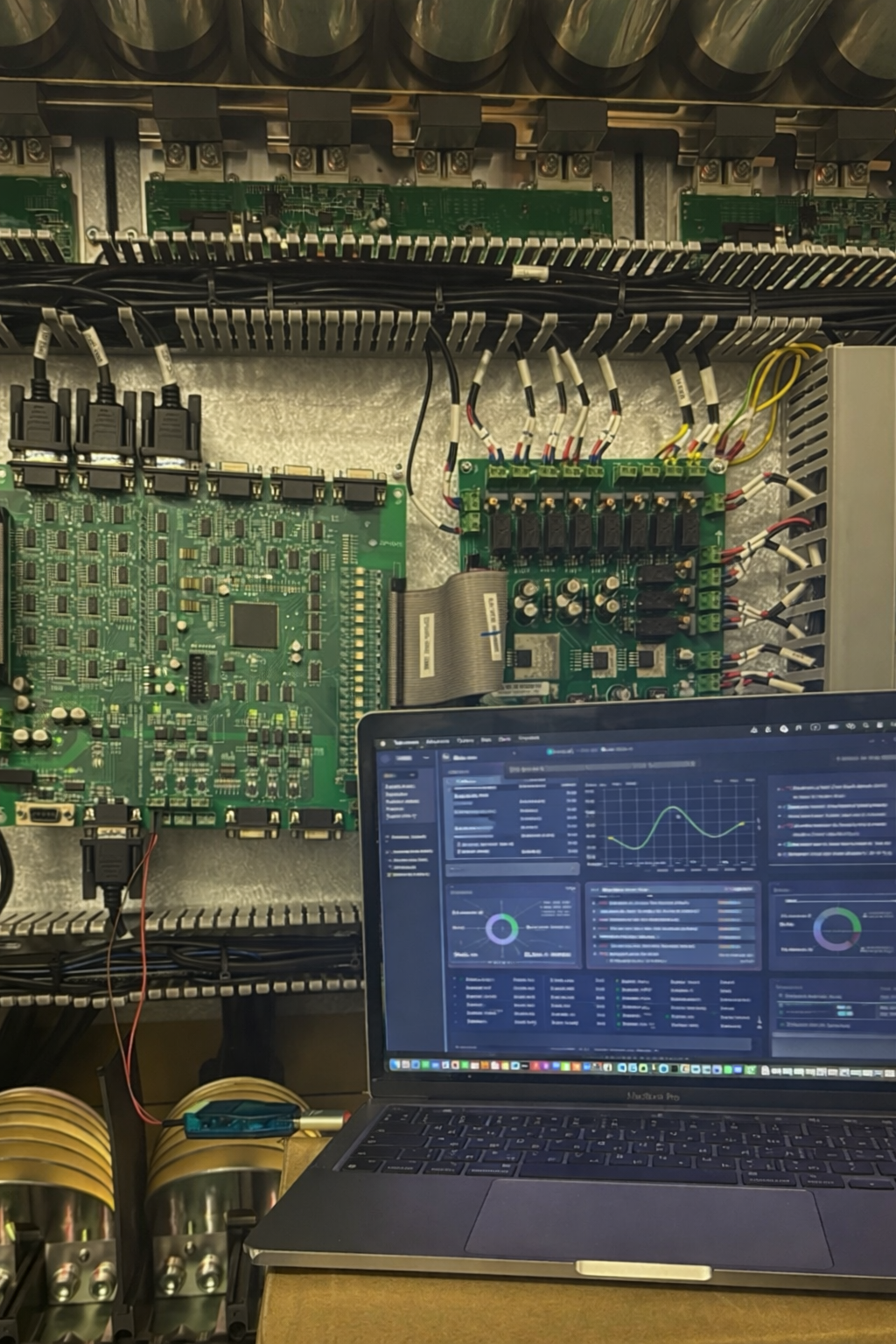
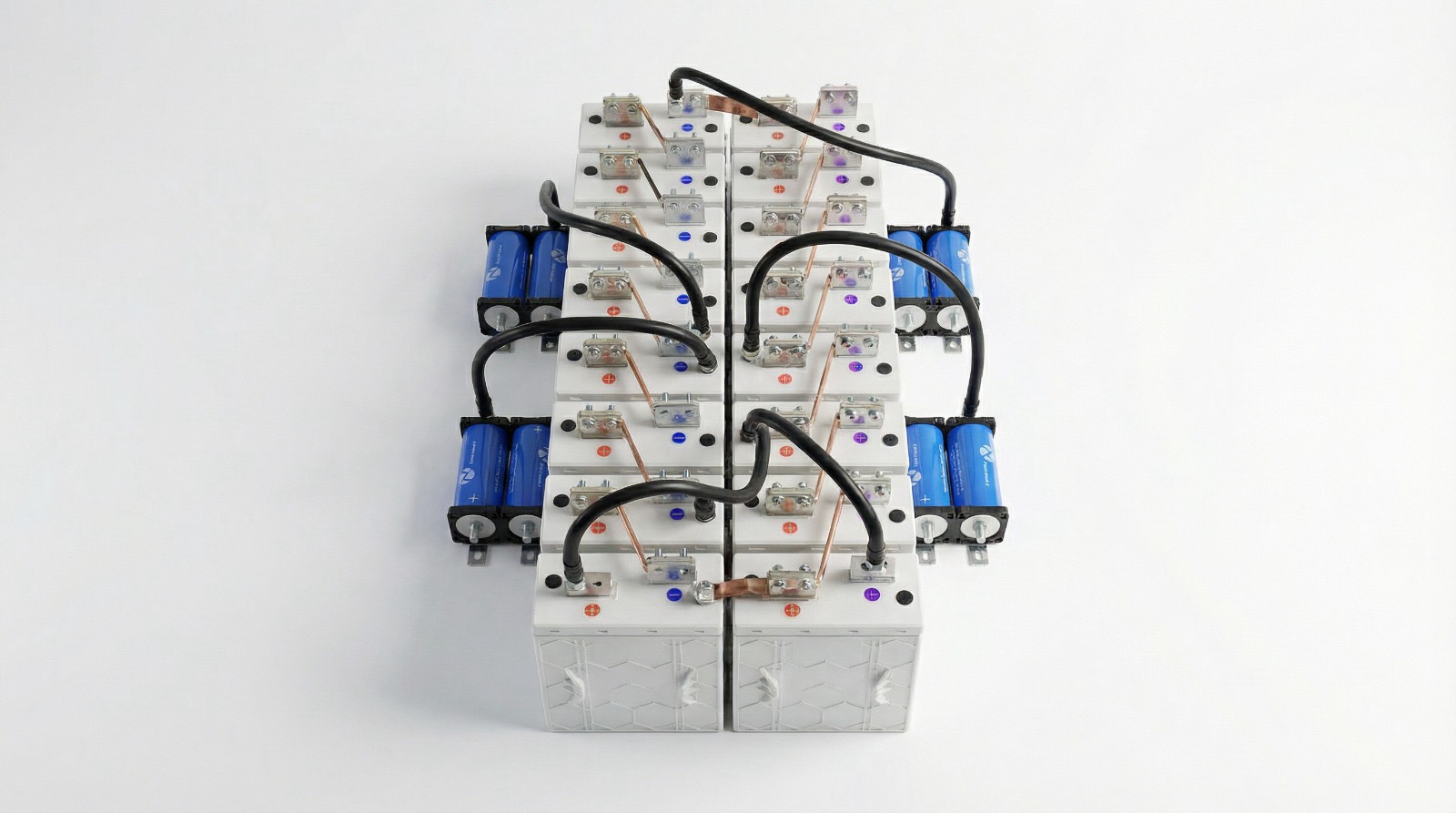
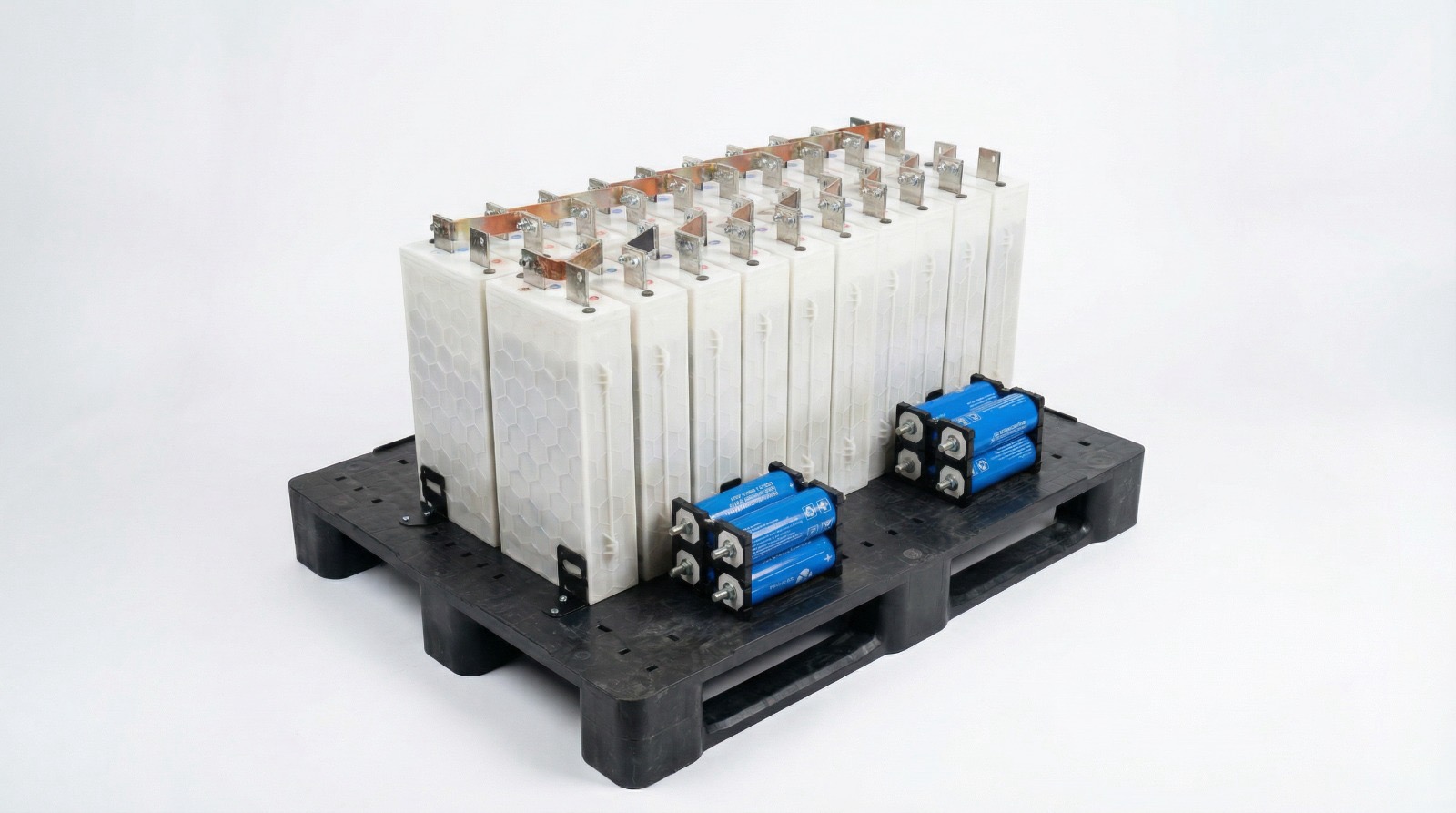
For the Bauska BESS project, we have chosen to use our own battery technology instead of widely available off-the-shelf lithium-ion solutions. The tables below compare the technologies and explain this choice, followed by the specifications of the battery modules developed for this project.
| Criterion | Ni-Zn / Zn-Ti | Lithium-ion |
|---|---|---|
| Fire safety | Non-flammable electrolyte; significantly reduced fire risk | Medium to high fire risk; potential for thermal runaway |
| Raw materials | Copper, zinc, titanium, polymers (EU-available) | Lithium, cobalt, graphite, rare-earth elements |
| C-rate | Up to 7C — high power capability | ~0.5–1C — limited peak performance |
| Cycle life | 8,000+ cycles with low degradation | 800–1,200 cycles in real-world conditions |
| Dynamic balancing (FCR/aFRR/mFRR) | Highly suitable — fast response, no thermal constraints | More limited — thermal buildup, BMS constraints |
| Automatic frequency control | Very fast response (≤1 s); suitable for adaptive control | Response limited by BMS and thermal management |
| Recycling / End of Life | Recyclable materials; simpler recovery processes | Complex recycling; mixed materials and chemical processing |
| Operational safety | Stable chemistry; no volatile solvents | Sensitive to damage, overcharge, and temperature |
| Regulatory complexity | Lower — fewer transport and fire safety requirements | Higher — ADR, fire protection, insurance requirements |
| Environmental footprint | Lower — no rare-earth metals, simpler material base | Higher — mining impact and chemical processing |
| Scalability | Flexible; compatible with local manufacturing | Dependent on global lithium supply chains |
| Cost profile (TCO) | Lower — longer lifetime, reduced safety-related costs | Higher — degradation, maintenance, and safety systems |
Battery Module Specifications
| Parameter | Nickel–Zinc (Ni-Zn) | Zinc–Titanium (Zn-Ti) |
|---|---|---|
| Cell voltage | 1.7 V | 2.3 V |
| Capacity | 60 Ah | 30 Ah |
| Continuous current | 150 A (discharge) | up to 300 A (charge/discharge) |
| Energy density | 150 Wh/kg | 190 Wh/kg |
| Cell energy | ~105 Wh | ~69 Wh |
| Maximum power | ~714 W | ~690 W |
| Temperature range | Stable operation; no flammable components | Stable operation; no flammable components |
| Technology | Mature Ni-Zn platform (7th generation) | High-power Zn-Ti architecture |
Project Summary
The system is designed with scalability in mind, allowing future expansion up to 9 MW / 7.4 MWh as required by grid or operational needs.
Project implementation time: 4 months
Estimated certification date: 28 June 2026
Total investment: 3.17 MEUR (4 MW / 4.7 MWh)
Investment covers: delivery, installation, and grid integration
The planned service life of the BESS is 15 years. For ease of deployment and maintenance, all equipment is housed in a standard 40-foot ISO shipping container.